
Traditions are often spoken about with nostalgia. We associate them with childhood memories, cultural festivals, or family rituals passed down through generations. Yet in modern family life—shaped by busy schedules, blended cultures, geographic distance, and evolving values—traditions can feel fragile or even outdated.
But traditions are not meant to be frozen in time. At their essence, they are living practices that create continuity, belonging, and emotional connection. When thoughtfully incorporated into family life, traditions become one of the most powerful ways to strengthen family bonds—not through obligation, but through shared meaning.
In a world that often pulls families in different directions, traditions serve as intentional pauses. They remind us that relationships require nurturing, not just proximity.
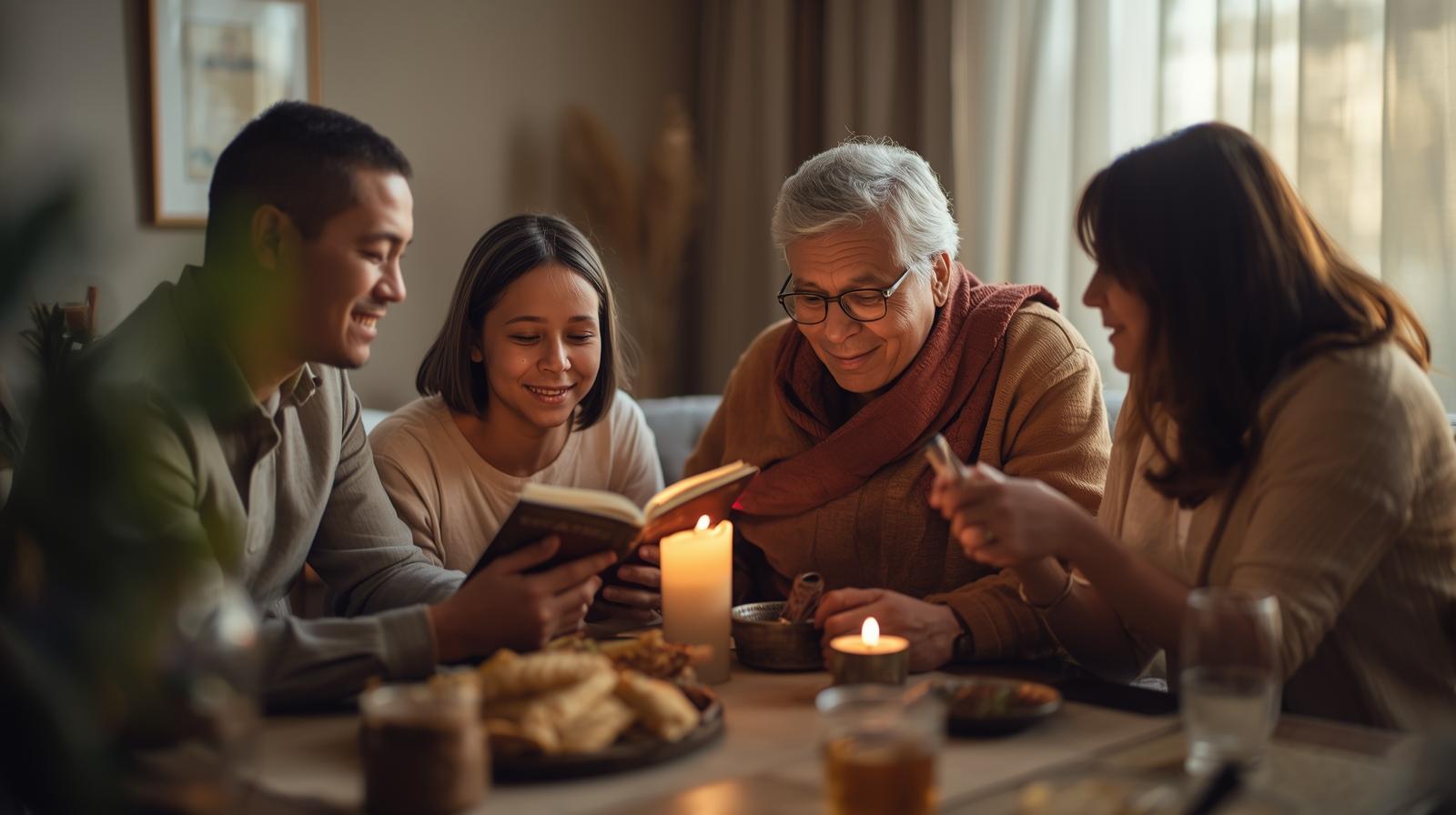
Why Traditions Matter More Than Ever
Modern families face challenges previous generations rarely experienced at the same scale:
- Constant digital distraction
- Irregular schedules and competing priorities
- Multigenerational value differences
- Cultural blending and geographic separation
In this environment, traditions offer emotional structure. According to the American Psychological Association, family rituals and traditions are linked to improved emotional well-being, stronger family cohesion, and better communication patterns
Source: https://www.apa.org/monitor/2019/05/ce-corner-family-rituals
Traditions help families:
- Create predictability in uncertain times
- Reinforce a shared identity
- Provide moments of emotional safety
- Build resilience during stress or transition
They do not eliminate conflict, but they create a foundation of connection that helps families navigate it.
Traditions vs. Routines: Understanding the Difference
Not every repeated activity qualifies as a tradition.
- Routines are functional and task-oriented (daily meals, school schedules).
- Traditions carry emotional or symbolic meaning.
A tradition answers an unspoken question: Why does this matter to us?
For example:
- Eating dinner together is a routine.
- Sharing one meaningful moment or reflection at dinner transforms it into a tradition.
What elevates an activity into a tradition is intention and shared awareness.
The Psychological Role of Traditions in Family Bonds
Research from the Greater Good Science Center at UC Berkeley shows that shared rituals increase feelings of trust, belonging, and emotional closeness
Source: https://greatergood.berkeley.edu/article/item/why_family_rituals_matter
This is especially important across generations.
For children:
- Traditions provide emotional stability
- They help form identity and values
- They offer reassurance during change
For adults:
- Traditions create grounding and continuity
- They offer moments to reconnect beyond roles and responsibilities
For elders:
- Traditions affirm legacy and belonging
- They provide opportunities to pass down stories and wisdom
In this way, traditions become bridges—connecting past, present, and future.
Letting Traditions Evolve Without Losing Meaning
One of the most common reasons traditions break down is rigidity. Families change, but traditions are often expected to remain exactly the same.
Healthy traditions are adaptable.
Examples of thoughtful evolution:
- A long annual gathering becomes shorter but more frequent
- One host becomes shared hosting responsibility
- Formal rituals become simplified but intentional
The purpose of a tradition—connection, gratitude, remembrance—matters more than the form. When families focus on purpose, traditions remain relevant and inclusive.
How to Thoughtfully Incorporate Traditions Into Family Life
1. Start With Meaning, Not Expectation
Before introducing or continuing a tradition, ask:
- What does this tradition represent?
- Does it bring us closer or create pressure?
- Is it rooted in joy or obligation?
Traditions rooted in expectation alone often create resentment. Traditions rooted in meaning create anticipation.
2. Begin With Small, Repeatable Practices
Many families believe traditions must be grand or annual. In reality, small traditions practiced consistently often have the greatest impact.
Examples:
- A weekly shared meal with a conversation prompt
- A monthly family walk or coffee hour
- A short gratitude moment at every gathering
Consistency builds familiarity. Familiarity builds emotional safety.
3. Invite Participation Across Generations
Traditions become stronger when they are co-created rather than inherited unquestioned.
Ways to encourage ownership:
- Rotate leadership roles
- Ask family members what the tradition means to them
- Invite ideas for how it could evolve
This inclusion fosters respect and shared responsibility.
4. Use Traditions as Storytelling Anchors
Traditions naturally invite stories:
- “Why did we start this?”
- “What do you remember about this from earlier years?”
- “How has this changed for you?”
Storytelling strengthens empathy and understanding across generations. It also reinforces the emotional significance of traditions.
5. Blend Cultural and Modern Traditions
In multicultural or evolving families, blending traditions is both practical and powerful.
This may look like:
- Combining cultural rituals with contemporary activities
- Creating new traditions inspired by shared values
- Honoring multiple backgrounds within one gathering
Blended traditions communicate inclusion and adaptability—key elements of strong family bonds.
Traditions Within Family Gatherings
Family gatherings offer a natural opportunity to reinforce traditions. Even one simple ritual can transform the emotional tone of a gathering.
Examples:
- Opening with a shared intention or gratitude moment
- Ending with reflections or acknowledgments
- Repeating a familiar game, song, or storytelling practice
Research shows that shared positive experiences increase feelings of closeness and relational satisfaction
Source: https://greatergood.berkeley.edu/article/item/how_shared_experiences_bring_people_closer
These rituals create continuity, making gatherings feel purposeful rather than transactional.
When Traditions Feel Difficult
Not all traditions carry positive emotions. Some may be tied to loss, unresolved conflict, or outdated expectations.
In such cases:
- It is okay to pause or retire a tradition
- Acknowledge emotional complexity without forcing participation
- Create new traditions aligned with current needs
Letting go can be an act of care—not failure.
Long-Term Impact of Family Traditions
Over time, traditions shape how families experience connection.
They influence:
- How families handle transitions
- How members feel supported during challenges
- How future generations remember their family culture
The Harvard Study of Adult Development—one of the longest-running studies on happiness—consistently shows that strong relationships are the most significant predictor of long-term well-being
Source: https://www.health.harvard.edu/blog/what-makes-us-happy-2018031513611
Traditions are one of the most accessible ways to nurture those relationships.
Final Reflection: Traditions as Living Practices
Incorporating traditions into family life is not about preserving the past unchanged. It is about creating living practices that evolve with the people who participate in them.
When traditions are intentional, inclusive, and flexible, they become quiet yet powerful forces—strengthening bonds, deepening understanding, and creating a sense of belonging that lasts beyond any single gathering.
This is where connection becomes continuity.
This is where family bonds are renewed—again and again.